First impressions matter, especially when it comes to your home. The exterior of a property sets the tone for what visitors, neighbours, and even potential buyers can expect inside. A well-designed outdoor space does more than look attractive—it reflects care, style, and thoughtful planning. While many homeowners attempt to enhance their yards on their own, achieving a cohesive and visually striking result often requires a deeper understanding of design principles, plant selection, and spatial balance.
This is where landscaping designers play a critical role. They combine creativity with technical expertise to transform outdoor areas into functional and beautiful environments.
From selecting the right plants for your climate to creating layouts that guide the eye naturally across the space, their work goes beyond simple decoration. By considering elements such as colour, texture, scale, and sustainability, these professionals help bring out the full potential of any property.
Understanding the Foundations of Curb Appeal
Curb appeal is more than just a tidy lawn or a fresh coat of paint on the front door. It is the overall impression created by the combination of landscaping, architecture, and exterior features. A successful outdoor design feels balanced and intentional, with each element working together to enhance the property’s appearance.
Key components of strong curb appeal include well-maintained greenery, clear pathways, appropriate lighting, and complementary hardscaping features such as driveways or retaining walls. These elements should not feel disconnected or random. Instead, they should create a sense of flow and harmony that draws attention to the home’s best features.
Achieving this level of cohesion often requires a strategic approach. It involves assessing the existing space, identifying focal points, and determining how to guide visual interest throughout the yard. Without a clear plan, it is easy for outdoor spaces to become cluttered or uneven, diminishing their overall impact.
Strategic Planning and Layout Design
One of the most important aspects of creating an appealing outdoor space is the layout. A thoughtful design considers how people move through the area and how different sections of the yard interact with one another. Pathways, entry points, and focal features should all be positioned in a way that feels natural and inviting.
Professionals specialising in outdoor design often begin by evaluating the property’s size, shape, and existing features. They consider factors such as sun exposure, soil conditions, and drainage to determine what will work best in the space. By addressing these practical considerations early, they can create a design that is both beautiful and sustainable.
Incorporating structure into the layout is equally important. Defined garden beds, clean edges, and intentional spacing help create a polished look. These details may seem small, but they play a significant role in shaping how the space is perceived from the street.
Plant Selection and Visual Harmony
Choosing the right plants is essential for achieving a cohesive and attractive landscape. It is not just about selecting flowers or shrubs that look good individually; it is about how they work together as a whole. Colour coordination, seasonal variation, and growth patterns all influence the final result.
A well-designed landscape incorporates a mix of textures and heights to create depth and interest. Taller plants can serve as backdrops, while lower-growing varieties add layers and soften edges. Evergreens provide structure year-round, while flowering plants introduce bursts of colour during specific seasons.
Climate and maintenance requirements must also be considered. Selecting plants that thrive in the local environment reduces the need for excessive watering or upkeep. This ensures that the landscape remains healthy and visually appealing over time.
The Importance of Professional Expertise
While it is possible to make improvements independently, achieving a truly polished and cohesive look often requires professional insight. Experienced landscaping designers bring a trained eye to the process, identifying opportunities and challenges that may not be immediately obvious.
They understand how to balance different elements, ensuring that no single feature overwhelms the space. Their expertise allows them to create designs that feel intentional and well-proportioned. Additionally, they can recommend materials, plants, and layouts that align with both aesthetic preferences and practical needs.
Working with a professional can also save time and reduce costly mistakes. By developing a clear plan from the outset, homeowners can avoid trial-and-error approaches that may lead to inconsistent results. This level of precision contributes significantly to achieving a refined and attractive exterior.
Maintaining Long-Term Appeal
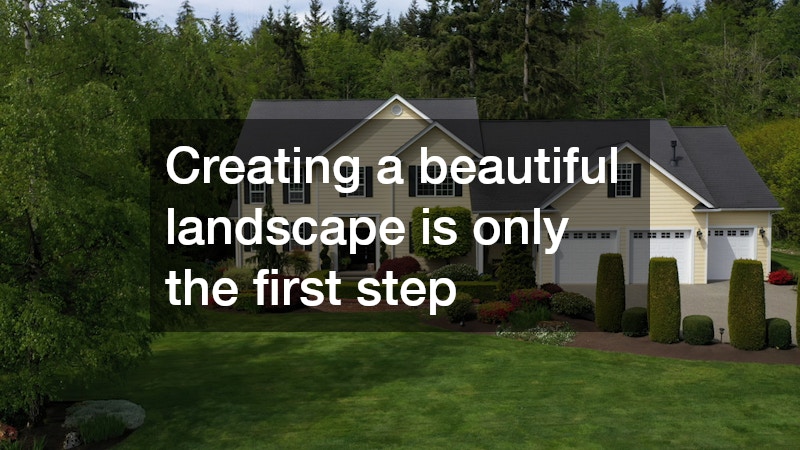
Creating a beautiful landscape is only the first step; maintaining it is equally important. Regular care ensures that plants remain healthy, structures stay intact, and the overall design continues to look its best. Without proper maintenance, even the most well-designed spaces can lose their appeal.
Simple tasks such as pruning, watering, and cleaning can make a significant difference. Seasonal updates, such as adding fresh mulch or rotating plants, help keep the landscape looking vibrant throughout the year. These ongoing efforts preserve the integrity of the design and prevent it from becoming overgrown or outdated.
Creating picture-perfect curb appeal involves more than surface-level improvements. It requires a thoughtful combination of design, functionality, and long-term planning. From the initial layout to the selection of plants and materials, every detail plays a role in shaping the overall impression of a property.
By working with experienced landscaping designers, homeowners can achieve a level of cohesion and refinement that is difficult to replicate on their own. These professionals bring valuable expertise, helping to transform outdoor spaces into visually striking and practical environments. Their ability to balance creativity with technical knowledge ensures that each design is both beautiful and sustainable.