
A driveway is one of the hardest-working parts of a residential property. It supports vehicles, handles changing weather conditions, collects rainwater, and experiences years of daily traffic. Over time, even a well-built driveway will begin to show its age. Small cracks may appear, the surface can fade, edges may deteriorate, and certain areas can sink or hold water. These changes do not necessarily mean the entire driveway needs to be torn out and rebuilt..
Improving an aging driveway starts with a careful inspection and a realistic assessment of its condition. Some properties may only need preventive maintenance, while others can benefit from resurfacing or targeted reconstruction. By focusing on the underlying causes of deterioration instead of simply covering visible damage, homeowners can make improvements that last longer and provide better value.
Inspect Cracks and Repair Them Before They Spread
Cracks are among the most common signs of an aging driveway, but not every crack indicates the same type of problem. Begin by walking the entire surface and noting the location, width, and pattern of each crack. A few narrow cracks may be caused by ordinary movement and aging, while interconnected cracks or areas with numerous fractures can suggest that the surface or supporting base is beginning to fail.
The reason early repair matters is water. Once moisture enters a crack, it can reach the material underneath the driveway. Changes in temperature, soil movement, and repeated vehicle loads can then cause the opening to grow. Water underneath the surface can also contribute to erosion and settlement, making a relatively small defect much more difficult to repair later.
Crack sealing can help protect appropriate cracks from continued moisture intrusion. Before any repair material is applied, however, cracks should be thoroughly cleaned. Dirt, vegetation, loose material, and debris can prevent repair products from bonding correctly. Homeowners should also inspect the same areas periodically because a repaired crack may continue moving as the driveway ages.
This is especially important for asphalt driveways, which naturally experience some expansion, contraction, and oxidation over time. Pay attention to the pattern of the damage rather than simply counting cracks. One isolated opening is very different from widespread alligator-style cracking. If large portions of the surface are breaking into interconnected pieces, repairing individual cracks may no longer address the underlying problem.
Refresh a Worn Surface Before Damage Gets Worse
An older driveway can sometimes look much worse than it actually is. Years of sunlight and weather exposure can turn a dark surface gray and leave it looking dry or faded. Minor surface wear does not always mean that the driveway has lost its structural integrity. If the base remains stable and major cracking is limited, surface maintenance may improve both appearance and protection.
Sealcoating is one option for certain structurally sound surfaces. It can provide a more uniform appearance and add a protective layer over the existing material. However, it should not be viewed as a way to repair serious structural damage. Applying a coating over potholes, extensive cracking, unstable areas, or drainage problems may temporarily improve appearance without correcting what is happening underneath.
Preparation makes a significant difference. The driveway should be cleaned so that dirt, loose aggregate, leaves, and other debris do not interfere with adhesion. Existing cracks and damaged spots should also be addressed beforehand. Oil and automotive fluids may require additional cleaning because contaminated areas can prevent materials from bonding properly.
When the extent of deterioration is unclear, an asphalt contractor can evaluate whether surface maintenance is still appropriate. Ask for an explanation of the driveway’s current condition and why a particular treatment is being recommended. A good assessment should distinguish between cosmetic aging, repairable surface damage, and deeper structural failure rather than recommending the same solution for every driveway.
Fix Drainage Problems That Keep Damaging the Driveway
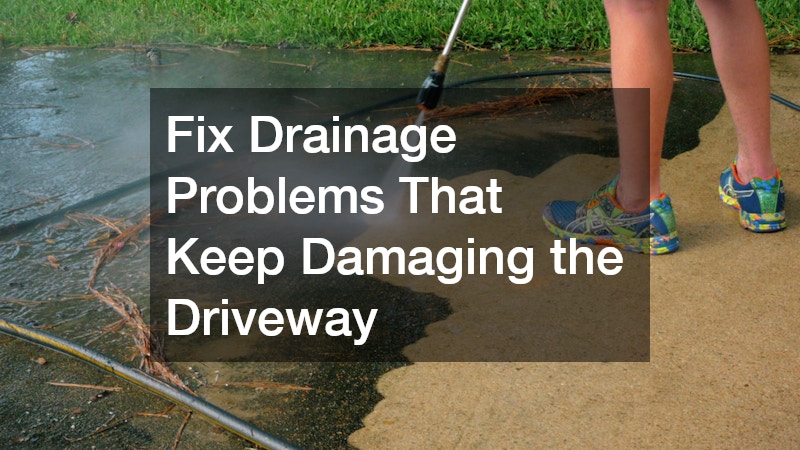
Water is one of the most important factors to investigate when an older driveway repeatedly develops problems. A useful inspection can be performed during or immediately after a steady rainfall. Look for puddles that remain in low areas, water flowing toward the house or garage, erosion along the edges, and runoff that repeatedly crosses damaged portions of the driveway.
Standing water often indicates that the surface has settled or no longer has an adequate slope. Water flowing along an unsupported edge can gradually wash away soil and reduce support. Downspouts can create similar problems when they discharge large amounts of roof runoff directly beside or across the driveway.
Correct the source of the water problem before investing heavily in surface improvements. Depending on the situation, professional paving services may be able to correct low spots, restore an appropriate slope, rebuild deteriorated areas, or recommend drainage improvements. The goal should be to move water away efficiently without simply redirecting it toward another vulnerable part of the property.
Properties with damaged slabs, aprons, curbs, or related hardscape may also require a concrete service to correct deterioration that is affecting drainage. Whatever repair method is chosen, observe the area again after the work is completed and rainfall occurs. Water should move predictably away from the driveway rather than collecting in depressions.
Also check gutters and downspouts as part of routine driveway maintenance. A relatively inexpensive extension or drainage adjustment can sometimes prevent repeated exposure to large amounts of runoff and protect a much larger investment.
Repair Sunken, Uneven, or Broken Sections Promptly
Settlement can create more than an unattractive surface. Sunken sections may collect water, create uncomfortable transitions for vehicles, and produce trip hazards for pedestrians. If one part of the driveway is noticeably lower than another, determining why it moved is more important than simply making the surface level again.
Start by examining the surrounding property. Look for soil that has washed away, nearby tree roots, drainage paths, recent utility work, or evidence that heavy vehicles frequently use the affected area. Settlement can also occur when the original base was not adequately compacted. If the underlying cause remains active, a repaired section may eventually move again.
For damaged concrete areas, a concrete contractor can determine whether the problem is limited to one slab or reflects broader base instability. Depending on the condition, options may include repairing or replacing an isolated section rather than reconstructing the entire driveway.
Experienced driveway contractors can also help homeowners compare localized repairs with more extensive improvements. Ask whether the damaged area can be repaired independently, whether surrounding sections remain stable, and whether the base underneath the failed area needs to be rebuilt.
Pay particular attention to vertical differences between adjoining surfaces. Even a relatively small height difference can become troublesome near sidewalks, garage entrances, or other frequently used areas. Addressing isolated settlement early may prevent water from collecting around the damaged section and accelerating deterioration.
Resurface the Driveway When Repairs Are No Longer Enough
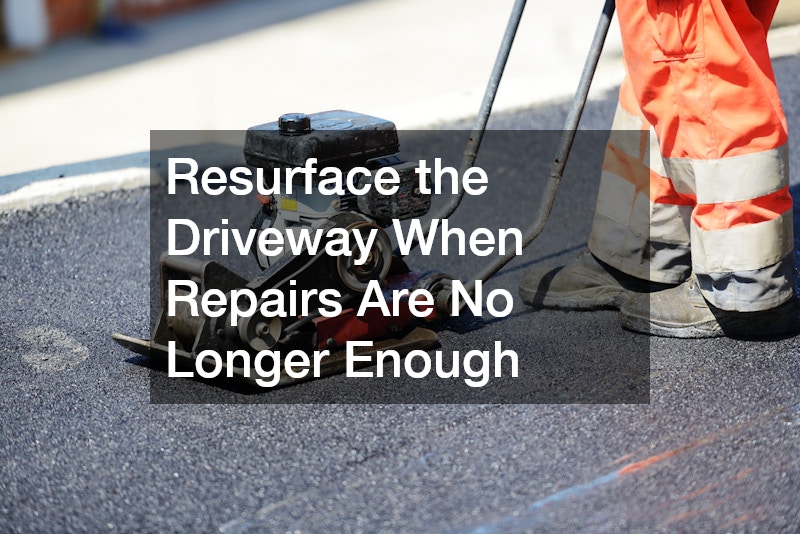
Eventually, an older driveway may reach a point where repairing individual defects becomes inefficient. There may be too many worn areas to patch separately even though the supporting structure remains reasonably stable. In these situations, resurfacing may provide a middle ground between minor repairs and complete reconstruction.
Resurfacing generally involves preparing the existing driveway and installing a new surface layer over it. Successful asphalt paving of this type depends heavily on the condition underneath. A new layer cannot permanently correct a failing base, severe settlement, or widespread structural movement. Problems below the new surface may eventually appear again.
Before choosing this option, evaluate how much of the driveway is actually damaged. A surface that is faded and worn with manageable cracking may be a much better candidate than one with deep potholes, significant depressions, and extensive interconnected fractures.
When comparing paving companies, ask each provider to explain the preparation included in the proposal. Find out how damaged areas will be handled, whether drainage needs correction, and how transitions around the street, garage, sidewalks, or other surfaces will be managed.
Avoid making a decision based only on the lowest initial estimate. Two proposals that appear similar may include very different levels of preparation. Since preparation has a major influence on the durability of the finished surface, understanding the complete scope can help homeowners compare long-term value instead of price alone.
Replace Severely Deteriorated Areas Instead of Repeatedly Patching
Patching is useful when damage is isolated, but repeatedly repairing the same failing surface can become expensive without producing lasting results. If potholes continually return, large sections are sinking, or interconnected cracks cover much of the driveway, it may be time to consider more substantial reconstruction.
Start by reviewing the repair history. If the same areas have been repaired multiple times within a relatively short period, the visible surface may not be the real source of the problem. Weak or poorly drained base material can allow new damage to develop even after the top layer has been restored.
Qualified driveway contractors can inspect failed sections and determine whether damaged material needs to be removed so the underlying base can be evaluated. Rebuilding only the severely deteriorated areas may sometimes be practical when the remainder of the driveway is still stable.
If reconstruction involves asphalt paving, base preparation and compaction are critical. The finished surface depends on the stability of the materials beneath it, so simply adding new material over an unstable area can result in premature failure.
Before approving major work, ask what material will be removed, how the base will be prepared, how drainage will be maintained, and how the repaired area will connect with existing surfaces. Homeowners should also compare the likely lifespan and future maintenance requirements of another temporary repair with those of a more complete reconstruction.
Upgrade Driveway Edges to Reduce Future Damage
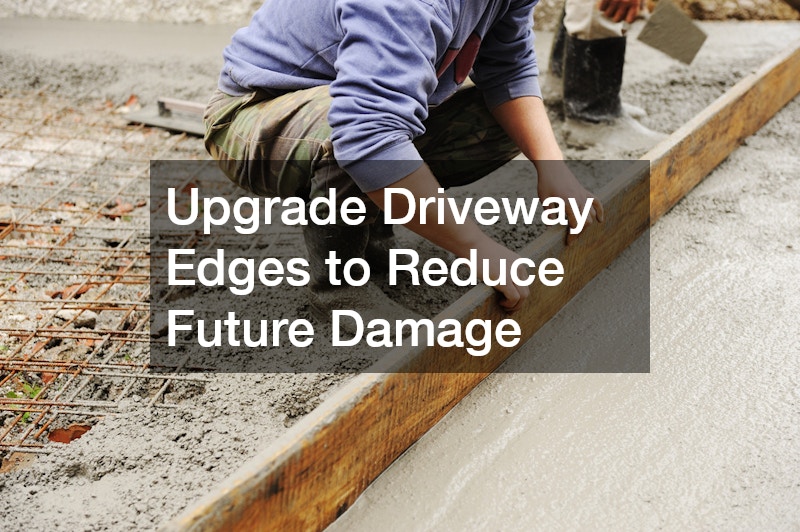
Driveway edges are easy to overlook because most attention is focused on the center where vehicles normally travel. However, edges can be especially vulnerable when they lack adequate support. Repeatedly driving close to a weak edge can cause cracking, crumbling, or gradual separation from the surrounding surface.
Inspect the perimeter for missing soil, erosion, vegetation growth, and sections that have begun to break apart. Keeping tires away from visibly weak edges can reduce stress until repairs are made. The surrounding grade should support drainage without allowing runoff to wash away the soil alongside the driveway.
Where concrete borders, aprons, or transitions are deteriorating, a concrete contractor can evaluate whether isolated repairs or replacement are appropriate. These areas deserve particular attention because they often connect surfaces with different materials or elevations.
A concrete service may also be useful when deteriorated sections near sidewalks, garages, or street approaches affect both function and appearance. Repairs should create stable transitions while preserving appropriate drainage.
Routine landscaping can help as well. Keep aggressive vegetation from growing into damaged edges and avoid allowing soil, leaves, or mulch to accumulate in ways that trap moisture. When adding support alongside a driveway, make sure the finished grade does not prevent water from leaving the surface.
Create a Maintenance Plan to Extend Driveway Life
Preventive maintenance is easier when it becomes a routine instead of a reaction to major damage. Inspect the driveway several times throughout the year and after severe storms or significant temperature changes. Look for new cracks, loose areas, depressions, edge deterioration, stains, and changes in drainage.
Small openings should be evaluated before they expand. When appropriate for the type and condition of the surface, crack sealing can help reduce the amount of water entering vulnerable areas. Do not assume that every crack can simply be filled, however. Openings accompanied by sinking, widespread fractures, or movement may require investigation before routine maintenance is performed.
Sealcoating may also be part of a long-term maintenance strategy for suitable surfaces, but timing should be based on actual condition and product recommendations rather than automatically applying another layer every year. Excessive applications are not a substitute for proper repairs.
Keep the surface reasonably clean throughout the year. Remove leaves and organic debris before they hold moisture against the driveway for extended periods. Clean automotive fluids according to the surface material and appropriate cleaning methods. During winter, use snow-removal equipment carefully to avoid catching raised or damaged edges.
Consider keeping a simple record of maintenance and repairs. Note when a crack first appeared, which areas were patched, and where water tends to collect. Photographs taken once or twice a year can make gradual changes easier to identify. If the same problem repeatedly returns, those records can help determine whether a deeper repair is needed.
Make Improvements That Address the Real Problem
An aging driveway does not automatically need to be replaced. Many older surfaces can continue performing well when deterioration is identified early and the right improvements are made. The most effective approach begins with understanding why the driveway is showing damage rather than choosing a treatment based solely on appearance.
Start with the fundamentals. Inspect cracks and settlement, observe how water moves across the property, check vulnerable edges, and pay attention to areas that have required repeated repairs. Cosmetic improvements can make a driveway look newer, but structural and drainage problems should be addressed first if the goal is lasting improvement.
As deterioration becomes more extensive, compare the long-term value of continued repairs with larger improvements such as resurfacing or reconstruction. The least expensive immediate option is not always the most economical choice over several years.
A driveway is a significant part of a property’s function and curb appeal. With timely maintenance, careful repairs, and improvements matched to its actual condition, homeowners can extend its useful life while avoiding unnecessary work. When the severity or cause of the damage is uncertain, a professional assessment can provide the information needed to choose a practical solution and invest in improvements that are more likely to last