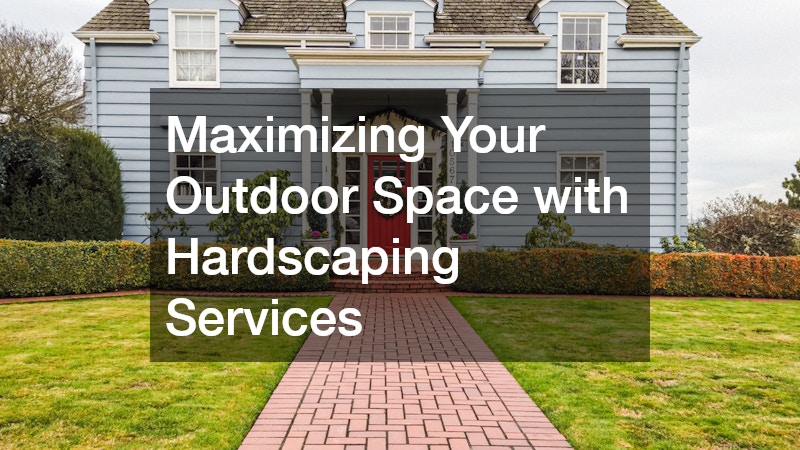
Welcome to our guide on transforming your outdoor space using hardscaping services for enhanced aesthetics and functionality. Hardscaping involves constructed features like patios, walkways, and retaining walls, essential for improving usability and property value. Whether you are renovating an existing space or starting from scratch, hardscaping can elevate your outdoor environment.
What is Hardscaping and its Benefits?
Defining Hardscaping
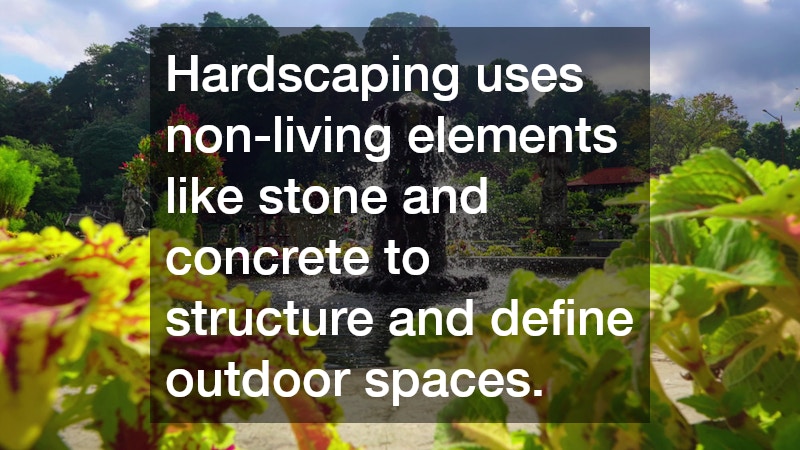
Hardscaping uses non-living elements like stone and concrete to structure and define outdoor spaces. Features such as stone patios and wooden decks help transform an unstructured yard into a functional and visually appealing space. Incorporating hardscaping into your outdoor area adds definition and aesthetic balance that complements natural elements.
Hardscaping delivers a stable foundation, enhancing beauty and usability, regardless of maintenance conditions. Elements like stone walkways or retaining walls add organization and elegance, while providing year-round appeal. With hardscaping, you have the flexibility to design spaces tailored to your preferences and lifestyle needs.
Hardscaping is essential for water management, directing rainwater effectively and promoting sustainability through permeable materials. By integrating these features, you contribute to ecological conservation and reduce runoff and erosion.
Key Hardscaping Benefits
Hardscaping reduces yard maintenance and provides space for various outdoor activities. Materials like pavers and concrete offer durability against weather, ensuring lasting value. Hardscaping also boosts property value and aesthetic appeal, enhancing both visual and functional aspects of outdoor areas. The versatility of hardscaping allows for custom solutions that fit any budget and design vision.
Hardscaping vs. Landscaping
Hardscaping involves fixed features like paths and walls, whereas landscaping focuses on living elements. Both play complementary roles, creating balanced environments by combining structural framework with greenery. Utilizing a combination of both enhances the functionality and beauty of outdoor spaces, offering a complete landscaping solution.
How to Choose the Right Materials for Hardscaping
Popular Hardscaping Materials
Choose materials like brick, stone, concrete, and wood based on their benefits and visual appeal. Consider property style and intended space use for harmonious and practical integration. Economic factors and sustainability also inform material choice. Keep aesthetic and practical aspects in mind for a cohesive design that integrates with existing structures.
Durability and Maintenance Considerations
Select durable materials like stone and brick to withstand heavy use and weather. Proper installation and maintenance preserve hardscape structures’ appearance and function over time.
Environmental Impact and Sustainability
Consider sustainable materials and practices, such as permeable solutions and locally sourced materials, to minimize ecological footprint and promote environmental balance.
Design Ideas for Outdoor Hardscaping
Patios and Walkways
Design inviting patios and functional walkways using materials like stone and pavers. Integrate lighting to maintain accessibility and appeal after sunset. Creative lighting solutions can create ambiance and extend the usability of your space into the evening.
Outdoor Kitchens and Living Areas
Create functional outdoor kitchens and living spaces with quality materials and thoughtful design. Integrate features like seating, pergolas, and entertainment elements for versatility. Consider how these spaces can enhance your lifestyle and provide a gathering place for friends and family.
Incorporating Water Features
Enhance hardscape designs with water features like fountains and ponds for tranquility and biodiversity. Ensure sustainability through energy-efficient systems. Water features can serve as focal points and bring a sense of serenity and movement to your outdoor area.
Cost Considerations and Budgeting
Estimating Hardscaping Costs
Estimate costs based on project scope, materials, and labor. Consider maintenance for comprehensive budgeting. Being thorough in your budget planning ensures you can maintain your hardscapes for years to come without unexpected expenses.
Budget-Friendly Hardscaping Tips
Prioritize high-impact areas, consider DIY elements, and use locally sourced materials for cost efficiency. Staging projects over time can also manage expenses. Strategic planning allows you to enjoy enhancements incrementally, managing budget constraints effectively.
Financing Options for Hardscaping Projects
Explore financing options like home improvement loans and contractor plans. Government grants may assist with sustainable projects. Investigating different financing avenues helps determine the most economical way to achieve your hardscaping goals.
Choosing the Right Hardscaping Professional
What to Look for in a Contractor
Select experienced contractors with certifications and good communication skills. Check licenses and insurance.
Questions to Ask Prospective Contractors
Inquire about past projects, warranties, and handling of unforeseen issues. Request references to assess contractor reliability. Clarifying expectations upfront can minimize misunderstandings and result in successful project completion.
Reading Reviews and Getting References
Consider online reviews and direct client references to evaluate contractor effectiveness and reliability. Comprehensive evaluation aids in making informed decisions for your outdoor project. This step is crucial for ensuring the quality and reliability of workmanship.
Hardscaping enhances outdoor beauty and functionality. With this guide, you’re equipped to choose materials, design features, and select professionals for your project, ensuring enriched aesthetic and enjoyment opportunities. By following these insights, you can transform your outdoor space into a personal oasis that reflects your style and meets your needs.