Deciding between pressure washing and soft washing can be challenging, especially when both methods offer unique benefits. This article explores common queries and provides insights to help you determine the best cleaning approach for your needs. Both pressure washing and soft washing are effective techniques for maintaining the cleanliness of exterior surfaces. The choice depends on factors such as surface material, type of dirt or stain, and your specific cleaning goals. Understanding these distinctions helps property owners choose the right service, whether you hire a professional or use a local power washing service.
What is the Difference Between Pressure Washing and Soft Washing?
Understanding Pressure Washing
Pressure washing uses high-pressure water to remove dirt, grime, mold, and other contaminants. It works best on tough stains and heavily soiled areas.
This method is ideal for hard surfaces like concrete driveways, sidewalks, and brick walls. It can also be combined with environmentally friendly detergents to improve cleaning results. Care should be taken to avoid damaging delicate materials, as high pressure can erode wood, soft stone, or aged paint.
Pressure washing is time-efficient, making it popular for homeowners and businesses. Correct technique, including angle and distance, ensures even cleaning. Improper application can cause damage, so using a professional or a trusted local power washing service can protect surfaces while achieving thorough results.
Understanding Soft Washing
Soft washing uses low-pressure water combined with specialized solutions to clean surfaces without causing damage. It is ideal for delicate materials such as roof shingles, vinyl siding, and wood paneling. The method removes algae, mold, and bacteria from the root, offering longer-lasting results compared to pressure washing. Soft washing is gentle, versatile, and effective in preserving both appearance and structural integrity.
Soft washing’s main advantage is its safety for fragile surfaces. By targeting microorganisms at the source, it delivers a more sustainable clean. Professional soft washing services often combine chemical solutions with low pressure to maximize efficiency, which is why hiring a reputable local power washing service can ensure optimal results.
Key Differences and Applications
Pressure Level and Surface Suitability
The primary difference is pressure level. Pressure washing is high-intensity, suitable for hardy surfaces, while soft washing is gentle, protecting delicate materials. Pressure washing is ideal for concrete patios, driveways, and stone pathways. Soft washing excels on painted wood, stucco, and sensitive exterior elements. Selecting the right method avoids unnecessary damage and maximizes cleaning effectiveness. For many property owners, combining knowledge of both techniques with expert guidance ensures surfaces remain safe and well-maintained.
When Should You Use Pressure Washing?
Ideal Surfaces
Pressure washing is best for concrete, asphalt, tile, and brick. Residential applications include garages, patios, and high-traffic areas. Commercial properties also benefit from pressure washing to maintain a professional appearance and prevent chemical build-up. New or delicate surfaces may require extra care, so consulting a professional or local power washing service can prevent damage.
Benefits and Considerations
Pressure washing delivers fast, noticeable results, removing dirt and bacteria efficiently. Minimal detergent use reduces environmental impact while maintaining cleanliness. High-pressure water can be risky, potentially stripping paint or damaging weaker materials. Proper technique and professional advice mitigate these risks, ensuring both safety and effectiveness.
When is Soft Washing the Preferred Method?
Surface Suitability
Soft washing is ideal for wood, stucco, dryvit, and delicate roofing shingles. It removes algae, mold, and mildew without harming the surface. It also protects surrounding plants and landscaping from excessive water or chemicals. Soft washing preserves aesthetic appeal while preventing structural damage over time.
Benefits and Limitations
Soft washing is gentle yet effective, extending the longevity of treated surfaces. It penetrates crevices to eliminate contaminants at the root. However, it may be less effective on heavily soiled surfaces, sometimes requiring a combination approach. Engaging a skilled local power washing service ensures the proper method is chosen and applied effectively.
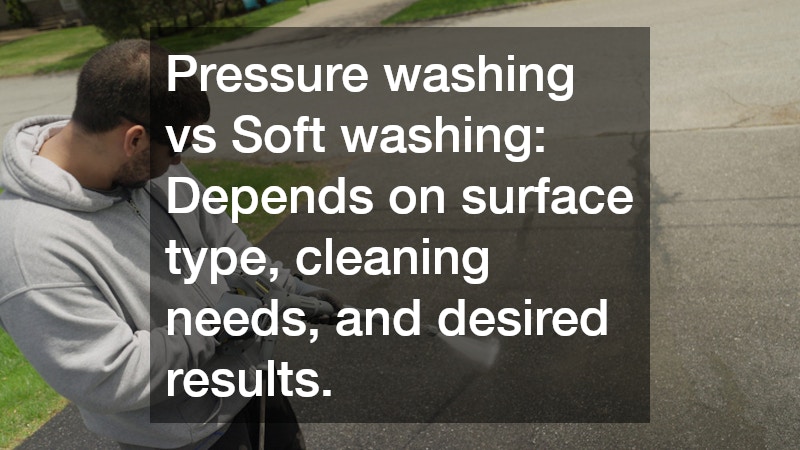
Choosing between pressure washing and soft washing depends on surface type, cleaning needs, and desired results. Pressure washing delivers fast, powerful cleaning for durable surfaces, while soft washing protects fragile materials and targets root-level growth. Hiring a professional or reputable local power washing service ensures proper technique, protects your property, and delivers long-lasting results. By understanding the strengths, limitations, and applications of each method, property owners can confidently maintain both the appearance and integrity of their spaces.