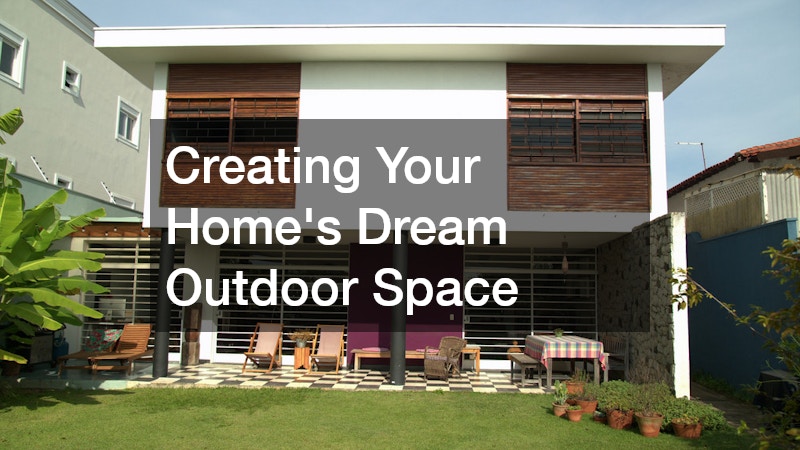
The definition of home has expanded beyond traditional indoor spaces. Today, the backyard has become a dynamic extension of our indoor living environments. Homeowners seek an “indoor-outdoor flow,” seamlessly transitioning comfort, style, and functionality into the open air. A well-designed backyard can serve as a sanctuary for mental well-being, a hub for family bonding, and a venue for entertaining guests.
Investing in your property’s exterior provides practical benefits, boosting curb appeal and increasing property value. Transforming a plot of land into a cohesive, multi-functional oasis requires more than buying lawn chairs and adding mulch. It demands a strategic approach balancing structural integrity, aesthetic harmony, and long-term sustainability.
Mapping Your Perfect Footprint
Before picking up a shovel or purchasing materials, you must treat your yard like an unbuilt house. Throwing elements together without a master plan often results in cluttered, underutilized spaces that fight against the natural layout of your property. The first step to a successful transformation is conducting a thorough spatial assessment and mapping out distinct functional zones based on how you intend to use the land.
To start, take a physical walk through your yard at different times of the day and note the environmental patterns. You need to understand how the sun moves across your property, where the wind blows hardest, and how water behaves during a heavy downpour.
- Track the Sun: Identify which areas receive intense afternoon heat and which remain cast in permanent shadow. A dining area is best placed where there is natural evening shade, while a sunbathing deck or a vegetable garden requires maximum solar exposure.
- Observe the Drainage: Look for low points where water naturally pools. These areas are poorly suited for heavy structures or major walkways, but they might be ideal for a rain garden or require professional grading.
- Test the Wind: If your yard sits on a hill or an open plain, locate the corridors where the wind whips through. You will want to plan windbreaks, such as dense hedges or solid structures, to protect your primary seating areas.
Once you understand the environmental factors, group your yard into specific zones based on utility. A smart layout clusters high-activity areas—like cooking and dining—closest to the house for easy kitchen access, while placing quiet zones—like a reading nook or a fire pit—further into the property to create a sense of escape.
An excellent design trick is to prioritize the “indoor view.” Stand inside your home’s main living spaces and look out the windows. The elements you place in your yard should align with these viewpoints, framing beautiful vistas and focal points that draw the eye outward, even during the cold winter months.
With the zones established, you can begin planning the permanent, hard surfaced areas that will support your heavy traffic and furniture. For flat, durable dining zones that seamlessly connect to the earth, you will want to look into professional patio installation. Properly clearing the topsoil, laying a compacted gravel base, and leveling the area ensures that your outdoor dining tables and lounge chairs sit on a perfectly flat surface that will not shift or crack over time.
Connecting these zones requires durable pathways that direct the flow of foot traffic without wearing paths into your grass. Engaging experienced paving contractors will allow you to design custom walkways using flagstone, concrete pavers, or brick that match the architectural style of your home. These experts ensure the paths are not only beautiful but properly graded so that rainwater flows away from your home’s foundation and into designated drainage areas.
Defining Boundaries and Levels
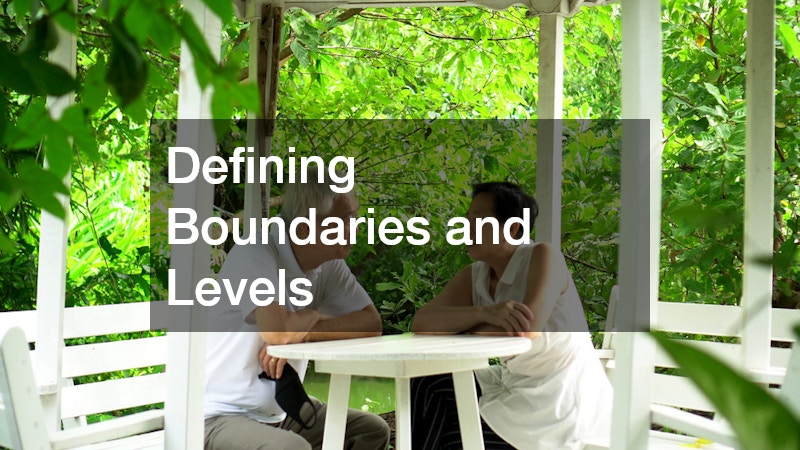
A flat yard often feels exposed and visually uninspiring. To create a truly immersive outdoor experience, you must think three-dimensionally by incorporating vertical elements, structural boundaries, and varied elevations. Adding height breaks up the monotony of a flat landscape, defines the edges of your outdoor rooms, and provides the privacy necessary to make your space feel like a personal sanctuary.
Varying the elevation of your outdoor living spaces adds instant architectural interest and mimics the multi-room feel of an indoor floor plan. If your yard slopes, do not view it as a disadvantage; instead, use it as an opportunity to build terraced levels that separate your lounging zones from your active recreation areas.
- Multi-Level Transitions: Steps, low retaining walls, and raised platforms give the eye a natural path to follow and make a medium-sized yard feel significantly larger than it is.
- Vertical Structures: Elements like pergolas, arbors, and pavilions introduce a sense of ceiling overhead. This makes large open spaces feel cozier and more intimate, while also providing a framework for hanging lights, fans, or climbing plants.
- Soft Boundaries: Complement your hard structures with living walls. Utilizing lattice panels laced with star jasmine or row planting tall, slender evergreens creates a lush, green barrier that softens the rigid lines of architectural builds.
Privacy is a crucial component of comfort. It is difficult to fully relax in a hot tub or enjoy a quiet morning coffee if you feel completely visible to your neighbors or passersby. When establishing boundaries, the goal should be to balance security and privacy with aesthetic appeal, avoiding designs that make your property look overly defensive or claustrophobic.
For solid perimeter security and definitive boundary lines, collaborating with professional fence companies is essential. Experts can help you choose the right materials—whether it is classic cedar for a warm, natural look, low-maintenance vinyl for longevity, or sleek composite boards that match modern aesthetics. A well-installed fence establishes the backdrop for your entire landscape design, keeping pets and children safe while blocking out unwanted visual distractions.
To transition gracefully from your home’s backdoor down to the grass, a skilled deck builder can construct an elevated wooden or composite platform. A custom-built deck serves as the ultimate transitional stage, bridging the gap between indoor floor heights and the natural contours of the yard. By incorporating built-in bench seating, wide step-downs, or wrap-around railings, a professional craftsman turns a simple platform into a sophisticated entertainment hub that maximizes your usable square footage.
Protecting Your Investment

An outdoor space is constantly exposed to the elements. Extreme heat, torrential rains, freezing winters, and fluctuating humidity levels can quickly degrade substandard materials and poor craftsmanship. To ensure your outdoor oasis lasts for decades rather than just a few seasons, you must focus heavily on weatherproofing and the structural integrity of the transition zones where your yard meets your actual house.
Protecting your investment begins with a deep dive into material science. Cheap wood and weak fasteners might save money upfront, but they warp, rot, and rust within a few years, leading to costly repairs.
- Opt for High-Performance Composites: For structural elements exposed to heavy foot traffic and moisture, modern composite materials offer the look of natural wood without the splitting, fading, or need for annual staining.
- Utilize Marine-Grade Hardware: Ensure all screws, brackets, and structural hangers are made from stainless steel or galvanized coatings to prevent rust bleed, which stains wood and compromises structural connections.
- Prioritize Proper Flashing: Wherever an ledger board or roofline connects directly to your home’s existing structure, metal flashing must be flawlessly integrated to prevent water from seeping into the building envelope.
The point of connection between your indoor walls and your outdoor additions is a critical vulnerability for leaks, wood rot, and pest intrusion. When altering these areas to install large glass sliding doors, covered porches, or extended rooflines, you must maintain a continuous barrier against water and wind.
Working with a certified exteriors contractor ensures that any structural modifications made to the outside of your home are code-compliant and structurally sound. These professionals know how to tie new roof support pillars or heavy timber pergolas directly into your home’s existing framing, guaranteeing that heavy wind loads or snow accumulation will not cause structural failures or roof separation.
While upgrading your outdoor living footprint, it is the perfect time to evaluate the vertical surfaces of your home that frame your new living area. Utilizing professional siding services allows you to repair weathered boards or upgrade to durable, modern fiber-cement panels. Fresh, weather-resistant siding not only protects your home’s underlying structure from moisture damage but also serves as a beautiful, clean backdrop that ties the colors and textures of your new hardscaping into the existing architecture of the house.
Crafting a Living Oasis

With the structural framework, patios, and decks firmly established, you can introduce the heartbeat of any outdoor space: the living landscape. Plants bring color, movement, texture, and life to a yard. They soften the hard lines of stone and wood, provide vital shade, and create a sensory experience through fragrance and the rustle of leaves in the wind.
The secret to a professional-looking landscape design lies in layering. Avoid planting in single, sparse rows along the fence line. Instead, design deep, curved garden beds that feature multiple tiers of plant life, graduating from the tallest varieties in the back to the shortest ground covers at the front.
- The Canopy Layer: Large trees provide structural scale, frame the property, and offer essential high-altitude shade that lowers ambient temperatures during hot summer months.
- The Understory Layer: Small trees and large woody shrubs add mid-level bulk, block unwanted views at eye level, and often provide dramatic seasonal blooms or vibrant fall foliage.
- The Herbaceous Layer: Perennial flowers, ornamental grasses, and ferns fill the body of the garden beds, bringing shifting colors, varied textures, and attracting local pollinators like butterflies and hummingbirds.
- The Ground Cover: Low-growing plants carpet the soil, suppressing weeds, retaining moisture, and completing the lush, filled-in aesthetic.
To ensure your garden thrives year after year without demanding hours of grueling daily maintenance, focus on smart sourcing. It is easy to fall in love with exotic plants at a big-box retail store, but if they are not suited to your specific soil chemistry, winter hardiness zone, or rainfall levels, they will struggle and eventually die.
Visiting a specialized garden nursery gives you access to regional experts who understand the exact soil types and microclimates of your area. They can steer you toward native plants that have natural defenses against local climate extremes and require significantly less water and fertilizer to stay healthy and vibrant.
Within your botanical design, use distinct specimens to create striking visual anchors across the yard. Planting carefully selected ornamental trees, such as weeping cherries, delicate Japanese maples, or flowering dogwoods, gives your garden beds a sophisticated, artistic focal point. These trees act as living sculptures, drawing the eye to specific areas of the yard and changing beautifully across the four seasons, from delicate spring blossoms to rich autumnal hues.
Lighting, Power, and Protection

The final phase of creating an ideal outdoor space involves systems that keep it functional, comfortable, and safe long after the sun goes down. A beautiful yard can quickly become unusable if it lacks proper electrical distribution or is overrun by wildlife and insects. By planning for power, illumination, and pest mitigation early on, you ensure your space remains welcoming day and night.
Outdoor lighting should never be an afterthought. It serves a triple purpose: safety, utility, and ambiance. Instead of installing a single, blinding floodlight that casts harsh shadows, use a layered lighting scheme with low-voltage LED fixtures.
- Task Lighting: Position bright, focused lights over outdoor kitchens, grilling stations, and dining tables so you can safely cook and see your meals clearly.
- Path and Step Lighting: Embed small, subtle lights into stair risers and along the edges of walkways to prevent trips and falls, guiding guests safely through the dark.
- Accent and Accentuation: Use low-angle uplighting directed at the trunks of large trees or the textured surface of a stone wall. This highlights architectural shapes and casts a warm, dramatic glow across the landscape.
- Smart Integration: Connect your system to a smart transformer equipped with astronomical timers that automatically adjust to changing sunset times throughout the year.
Running electrical infrastructure outdoors requires strict safety protocols. Hiring a licensed electrician is crucial for installing weather-rated conduits, digging trenches to legal depths, and setting up ground-fault circuit interrupter outlets. A professional ensures you have safe power where needed, whether for a high-powered blender at an outdoor bar, a laptop at a patio workstation, or a heavy-duty pool pump.
Keeping your outdoor sanctuary comfortable means protecting it from annoying and hazardous invaders. No matter how beautiful your patio is, no one will want to sit outside if they are constantly being bitten by bugs or dealing with pests. Investing in regular pest control services creates a protective perimeter around your living zones. Professional technicians can apply eco-friendly barriers that reduce mosquito, tick, and wasp populations without harming pollinators, allowing your family to relax in comfort.
Creating the ideal outdoor space transforms your property into a personalized haven of relaxation and socialization. By assessing your layout, establishing structural boundaries, choosing resilient materials, layering native greenery, and integrating smart utilities, you build a lasting environment.
The process involves distinct phases and expertise, resulting in a seamless, functional retreat tailored to your lifestyle. A well-designed backyard unites nature and architecture, offering an escape to unwind and connect with loved ones right outside your door.