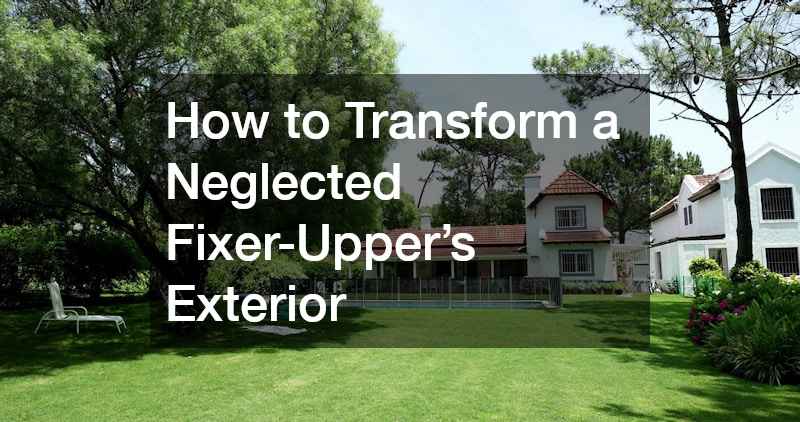
Rescuing a fixer-upper is a labor of love that often begins with a focus on the interior, yet the exterior is what truly defines a home’s character and protects your investment. A neglected facade does more than just hurt your neighborhood’s standing; it invites moisture, structural decay, and inefficiency. To successfully flip the narrative on a distressed property, you must look past the peeling paint and overgrown weeds to see the architectural potential underneath. This guide provides a strategic, deep-dive approach to restoring curb appeal and structural health through a series of focused, professional upgrades that will turn the most tired house into a stunning local landmark.
The psychological impact of a beautiful exterior cannot be overstated. When you drive up to a home that looks cared for, it changes your entire perspective on the property. For those renovating to sell, the exterior is the primary factor in whether a buyer even walks through the front door. For those renovating to stay, it creates a sense of pride and a sanctuary that extends beyond the four walls of the living room. By following a structured plan that prioritizes structural integrity first and aesthetic flourishes second, you can manage your budget effectively while achieving a professional-grade transformation.
Assessing the Structural Shell and Entry Points
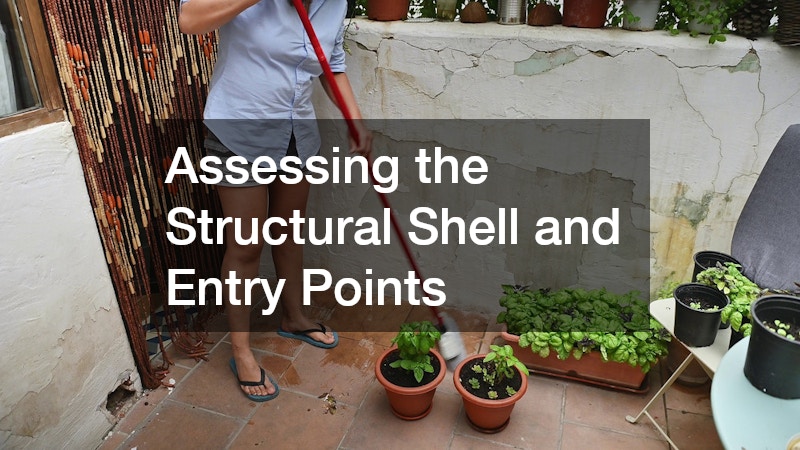
The first phase of any exterior renovation is ensuring the house is watertight and secure. On a neglected property, the entry doors are often warped, drafty, or aesthetically outdated, serving as a major point of energy loss. Researching reputable door companies allows you to select a centerpiece for your home that offers modern security features while instantly elevating the architectural style of the front porch. A high-quality fiberglass or steel entry system can mimic the look of wood without the maintenance headaches of a property that has been ignored for years.
Once the entryway is secure, focus your attention on the primary vertical surfaces of the home. Old, cracked, or rotting cladding is a magnet for wood rot and mold, and it often hides deeper issues like termite damage or moisture infiltration. Hiring a professional siding service is the most effective way to modernize the home’s color palette while adding a much-needed layer of modern insulation and weather protection to the exterior walls. Newer vinyl, fiber cement, or composite materials provide a durable shield that requires little more than an occasional power wash to keep looking new.
Consider the following when choosing exterior materials:
- Durability: Select materials that can withstand local climate extremes, such as high humidity or freezing winters.
- Maintenance level: If you want to spend your weekends enjoying the home rather than painting it, prioritize pre-finished products.
- Architectural style: Ensure the siding profile matches the era of the home, whether it is a traditional clapboard look or a modern vertical plank.
- Insulation value: Many modern siding options come with an integrated foam backing to improve the thermal envelope of the house.
Restoring Clarity and Energy Efficiency
Windows are the eyes of the home, and in a fixer-upper, they are often foggy, broken, or single-pane relics that leak expensive conditioned air. If the frames are still in good condition but the glass has failed or developed a hazy appearance between the panes, you should look into double pane window repair to restore visibility and thermal performance. This is a cost-effective way to handle minor damage or seal failure without the upheaval of a full tear-out of the window casing.
However, if the sashes are rotting or the seals are completely shot across the entire house, a more comprehensive approach is needed to ensure long-term comfort. Investing in professional window replacement services ensures that your new units are flashed correctly to prevent future leaks that could ruin your new interior drywall. Modern windows not only improve the look of the home but also significantly reduce noise pollution and monthly utility costs through advanced low-emissivity coatings and argon gas fills.
Benefits of modern window technology include:
- UV Protection: Advanced glass coatings prevent the sun from fading your furniture, rugs, and artwork.
- Ease of Use: New windows operate smoothly, making it easy to enjoy a breeze without struggling with stuck sashes.
- Enhanced Security: Modern locking mechanisms and stronger glass options provide better protection against intruders.
- Noise Reduction: High-quality seals and multiple glass layers block out street noise for a quieter interior.
Protecting the Foundation Through Water Management

A neglected exterior often suffers from poor drainage, which can lead to catastrophic foundation cracks or basement flooding over time. If the existing troughs are sagging, leaking at the seams, or overflowing with debris, you need to contact a local gutter company to install a seamless system. Properly sized gutters and downspouts ensure that rainwater is directed far away from the home’s footprint, preserving the soil stability and preventing the basement from becoming a damp, moldy environment.
Beyond just moving water off the roof, you should consider how the backyard handles the elements to create a more usable outdoor living area. Adding structural elements like patio covers can protect your back sliding doors and deck area from the sun and rain. These additions create a transition zone that prevents water from pooling against the rear threshold while providing a comfortable space for outdoor living, regardless of the weather conditions. This also protects your outdoor furniture and decking materials from premature weathering and rot.
Key water management strategies for a fixer-upper:
- Downspout Extensions: Ensure water is released at least six to ten feet away from the foundation.
- Splash Blocks: Use these at the base of downspouts to prevent soil erosion.
- French Drains: Consider these for low spots in the yard where water tends to sit after a storm.
- Regrading: The soil should always slope away from the house on all sides to promote natural drainage.
Reclaiming the Vertical Landscape
When a property is neglected, the trees often grow unchecked, hanging over the roofline and dropping debris that clogs gutters and promotes moss growth on the shingles. You should hire a certified tree company to evaluate the health of the large timber on your lot to ensure no hidden hazards exist. Removing dead or diseased trees prevents them from falling on your newly renovated roof during the next major windstorm, which could result in a devastating insurance claim. Beyond the immediate threat of falling limbs, unchecked roots can also begin to push against foundation walls or interfere with underground utility lines, making a professional assessment a vital step in protecting the structural integrity of your fixer-upper.
For the trees that are healthy but overgrown, precision is the priority to ensure the safety of the house and the longevity of the plant itself. Regular tree trimming is essential to clear branches away from power lines and the siding, which also allows more natural light to reach your new windows. Proper canopy management improves the air circulation around the house, which helps the exterior materials dry faster after rain and prevents the buildup of algae on the walls. By thinning out the crown, you reduce the “sail effect” during high winds, allowing gusts to pass through the branches rather than snapping them, which keeps both your home and your landscaping safer during volatile weather.
Guidelines for tree care on a new property:
- The 10-foot rule: Keep all major branches at least ten feet away from the roof to prevent animal access and roof damage.
- Visibility: Thin out dense canopies to improve the view of the home and let more sunlight hit the lawn.
- Safety: Remove any limbs that show signs of decay or “widow-makers” that could fall at any time.
- Clearance: Ensure trees do not obstruct the view of the street for cars exiting the driveway.
Establishing a Lush and Level Ground Cover
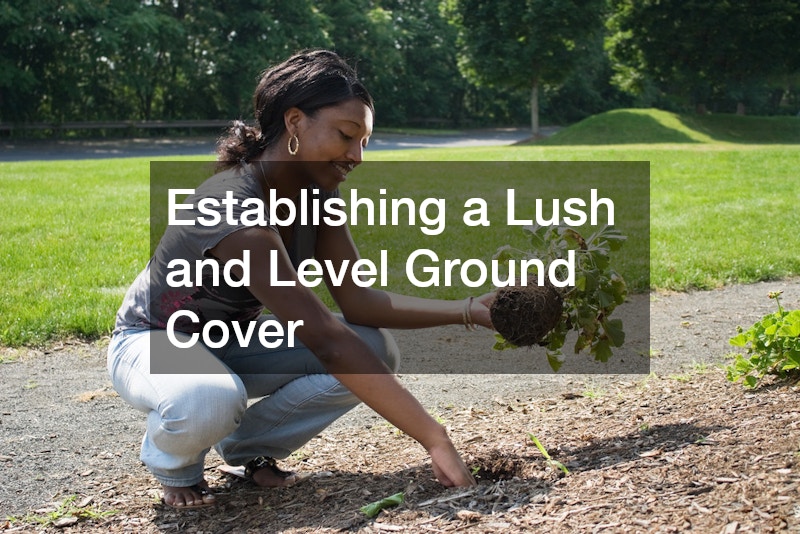
Once the heavy construction and tree work are finished, the focus shifts to the floor of your outdoor space to tie the look together. Fixer-uppers often have yards that are either a sea of weeds or a patch of hard-packed dirt that has been compacted by years of neglect. A professional landscaping service can help you grade the land and design flower beds that complement the new siding and windows, creating a cohesive visual flow that guides the eye toward the front door.
If you are dealing with a large area of bare earth, traditional sod can be prohibitively expensive and labor-intensive to install across several thousand square feet. Partnering with a hydroseeding company allows you to establish a thick, green lawn quickly and affordably by spraying a specialized mixture directly onto the soil. This slurry of seed and mulch protects the soil from erosion while the new grass takes root, providing that finished look that every successful renovation requires to feel complete.
Steps for a successful lawn renovation:
- Soil Testing: Check the pH and nutrient levels of the soil before planting anything to ensure long-term health.
- Aeration: Break up compacted soil so that water, oxygen, and nutrients can reach the roots of the grass.
- Strategic Planting: Use a mix of perennials and evergreens in your flower beds for year-round interest.
- Mulching: Apply a thick layer of mulch to beds to suppress weeds and retain moisture for your new plants.
Creating a Cohesive Outdoor Experience
The final touches of a fixer-upper renovation are what make the house feel like a home rather than a construction site. This involves coordinating the colors of the trim, the hardware on the doors, and the lighting fixtures to ensure everything works in harmony. A neglected home often has a hodgepodge of styles from different decades; your goal is to bring it all into a single, intentional aesthetic. Pay attention to small details like the mailbox, house numbers, and the condition of the driveway, as these elements are surprisingly impactful.
Outdoor lighting is another critical component that is often overlooked in the early stages of a renovation. Pathway lights and spotlights on the home’s architecture can make the property look stunning at night while increasing safety. Consider energy-efficient LED options that can be set on timers or smart home systems. These features add a layer of sophistication and convenience that modernizes the property significantly, making it more attractive to everyone who passes by.
When finalizing your exterior plan, keep these aesthetic tips in mind:
- Rule of Three: Limit your exterior color palette to three main shades—the body, the trim, and an accent color for the door.
- Symmetry: Frame the front door with symmetrical plantings or lighting to create a classic, welcoming look.
- Texture: Mix materials like stone, wood, and metal to add depth and interest to the facade.
- Scale: Ensure that light fixtures and house numbers are large enough to be seen easily from the street.
Sustaining Your Investment Over Time
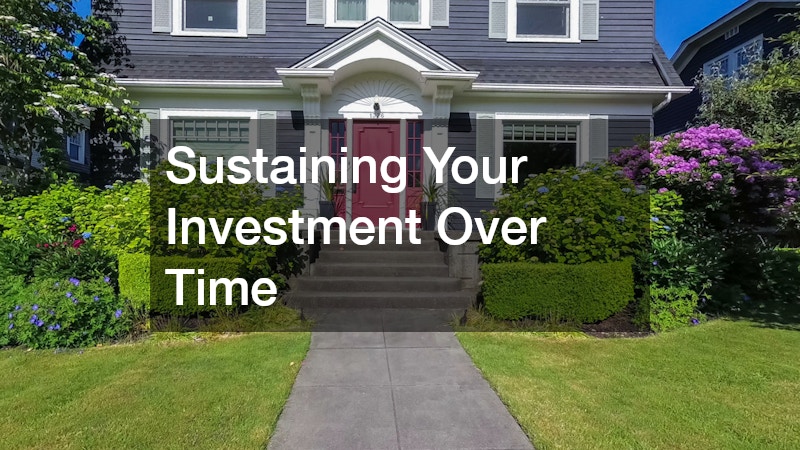
Transforming a neglected exterior is a journey from chaos to curb appeal that requires a balance of aesthetic vision and technical maintenance. By addressing the structural envelope first and finishing with a professional landscape, you turn a neighborhood eyesore into a local landmark that adds value to the entire block. These strategic investments do more than just beautify the space; they create a durable, efficient, and welcoming environment that you can be proud to call home for years to come.
Long-term success depends on your willingness to stay on top of the small tasks so they do not snowball into another period of neglect. Set a schedule for cleaning the gutters, inspecting the window seals, and feeding the lawn. By spending just a few hours each month on maintenance, you protect the thousands of dollars and hundreds of hours you have invested in the restoration. Your home is a living system, and the exterior is its most important defense against the passage of time and the harshness of the environment.
The reward for your hard work is a property that reflects your personal style and stands as a testament to your hard work. Watching a house go from the worst on the street to the best is one of the most satisfying experiences a homeowner can have. With the right professionals by your side and a clear plan of action, the transformation of a fixer-upper is not just a dream but an achievable reality. Take pride in the process, stay patient with the timelines, and enjoy the beautiful results of your exterior renovation journey.